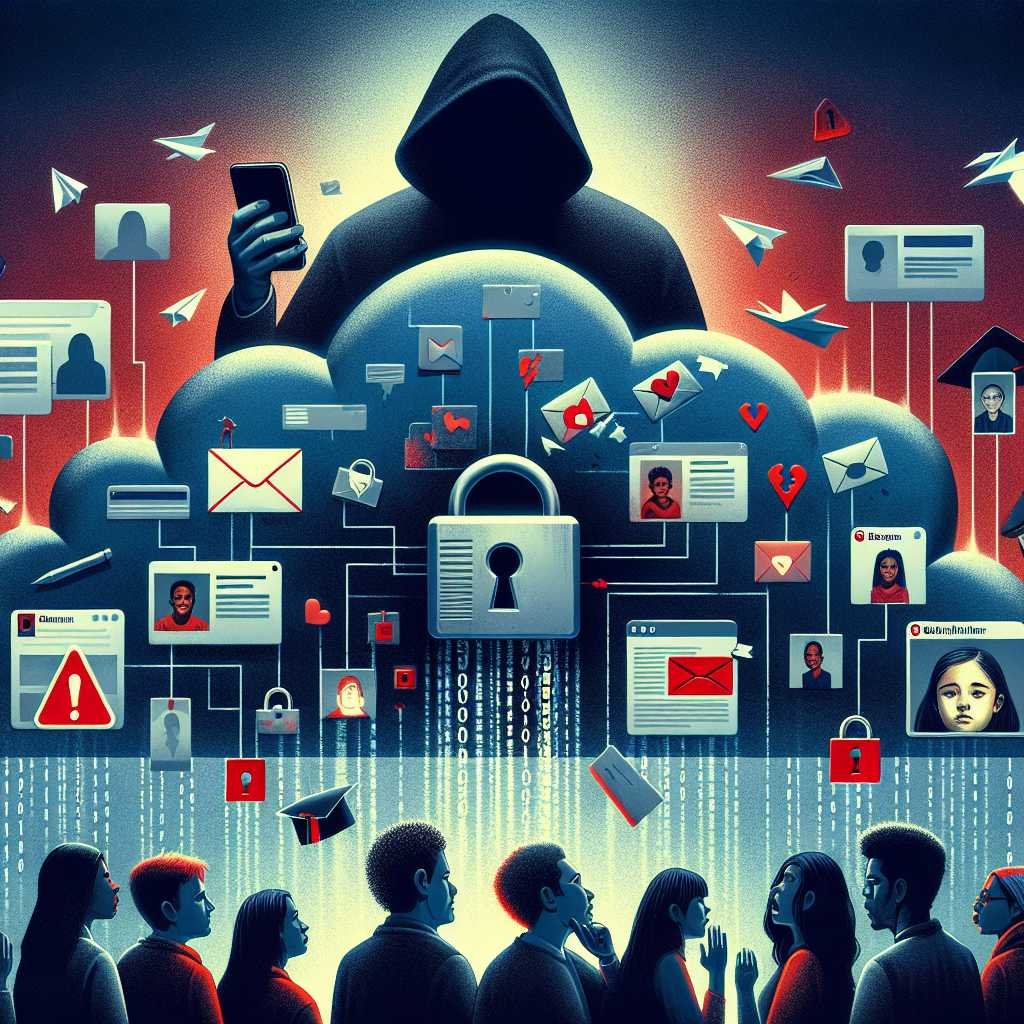
Instructure Data Breach: ShinyHunters Claim Massive Theft of Student Messages and Emails — What It Means for Schools, Students, and Parents
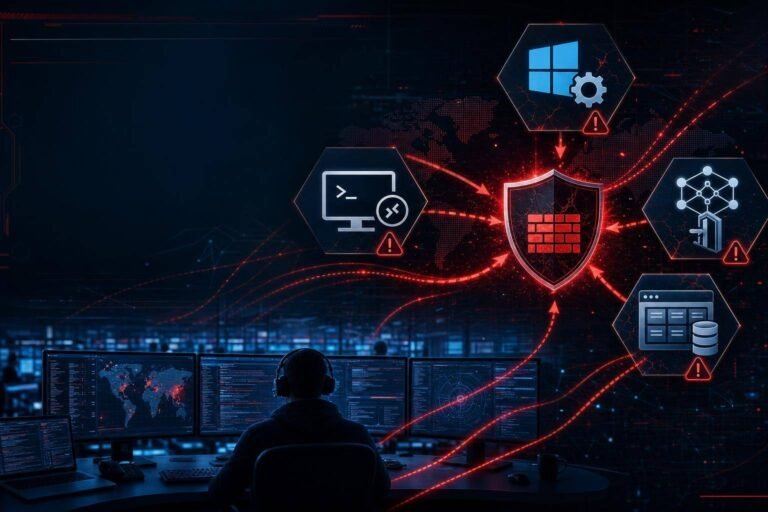
What if the private message you sent a teacher last semester — the one about missing an assignment because of a family situation — suddenly wasn’t private anymore? That uneasy question is now front and center for millions after education tech giant Instructure confirmed a major breach of student data, with the notorious extortion group ShinyHunters claiming responsibility. The scale is eye-watering, the implications are personal, and the playbook from attackers is painfully familiar — steal, threaten, and leverage chaos.
In this guide, we break down what happened, why this breach is uniquely sensitive, where the biggest risks lie, and the practical steps schools, educators, parents, and students should take today. Whether you run a district, teach a class, or submit assignments on Canvas, this one hits close to home.
What Happened: The Short Version
- Instructure — best known for its Canvas learning management system used by schools worldwide — confirmed a significant data breach of student information.
- The ShinyHunters hacking and extortion group claimed the attack, alleging it affected nearly 9,000 schools globally and data on approximately 275 million individuals across students, teachers, and staff.
- A member of ShinyHunters told TechCrunch the dataset includes 231 million unique email addresses. Stolen information reportedly includes names, personal email addresses, and private messages between teachers and students.
- Instructure has not publicly detailed the initial access vector or full response measures at the time of reporting.
Source: TechCrunch coverage
If that sounds massive, it is. And if “private messages” made your stomach drop, that’s the correct reaction.
Who Are the ShinyHunters?
ShinyHunters have been active since at least 2020, notorious for large-scale data theft and extortion. They’ve been linked to breaches impacting consumer platforms, universities, and cloud providers. Their tactics are depressingly consistent: – Exfiltrate huge troves of personal data. – Publicly claim responsibility to pressure a ransom. – Threaten to leak data if payment isn’t made.
They’re not unique — but they are prolific. And when their target is education, the harm isn’t abstract. It lands on minors, families, and educators whose livelihoods and reputations hinge on privacy.
For context on the group’s history and tactics, see reporting from outlets like BleepingComputer and Wired, which have covered ShinyHunters’ past operations.
Why This Breach Is Different: Student Communications Are Sensitive
Breaches of names and emails are bad enough. Add in private teacher–student messages and the stakes change: – Sensitive context: Messages may include personal, health, or family issues shared to explain absences or accommodations. – Power dynamics: Educator-student communications are inherently sensitive. Even benign messages can be taken out of context. – Long half-life: Students are minors; data exposure can shadow them into adulthood. – Harassment risk: Attackers and opportunists can mine messages to target individuals.
This is the uncomfortable reality: “edtech” is not just tech. It’s a window into personal lives, class dynamics, and moments of trust.
What Data Was Stolen — and What Can Attackers Do with It?
Per TechCrunch reporting, data elements include: – Names – Personal email addresses – Private messages between teachers and students
Potential downstream abuse: – Targeted phishing and social engineering: Real names + school context + message snippets enable convincing scams (“You missed your Canvas submission. Click here to resubmit.”). – Extortion and harassment: Weaponizing sensitive message content or out-of-context quotes. – Account takeovers: Reused passwords (especially if LMS credentials match email or other accounts). – Identity theft: If additional PII is included or can be correlated with data from other breaches. – Credential stuffing: 231 million unique emails feed into brute-force and credential-stuffing campaigns. – Data brokerage: Leaked datasets get aggregated, resold, and cross-referenced for years.
Parents and educators should assume that targeted, school-themed phishing will spike in the coming weeks.
What We Don’t Know Yet
- Initial access vector: Was it a compromised credential? A vulnerable integration? A cloud misconfiguration? A supply chain component?
- Full dataset scope: The volume ShinyHunters claims is enormous; independent verification is pending.
- Timeline of exposure: When did access begin? For how long?
- Incident containment: Which systems are isolated? Has access been fully revoked?
- Notification flows: Which districts and institutions have been notified, and how quickly?
Absence of detail doesn’t mean absence of action. Institutions should move on presumptive exposure and triage now.
Why EdTech Is a Prime Target
It’s not hard to see why attackers love edtech: – Centralized platforms: One vendor, millions of users, global reach. – Third-party sprawl: LMS ecosystems integrate with SIS, video, proctoring, grading, SSO, messaging — each node expands the attack surface. – Data richness: Personal emails, rosters, grades, messaging, sometimes IEP/504 references or accommodations. – Uneven security maturity: District budgets and staffing vary widely; vendor security maturity also ranges. – Always-on calendars: Attacks timed with semester starts, finals, or admissions are more disruptive — and more extortable.
For a sector-level lens, see CISA’s guidance for K–12 and higher education resilience: CISA K–12 Cybersecurity and CISA Stop Ransomware.
Immediate Steps: What Institutions Should Do Today
Even without full forensic details, there are concrete, defensible actions institutions can take now.
1) Coordinate with Instructure and Partners – Request formal notification, indicators of compromise (IOCs), and recommended mitigations. – Verify integration tokens and API keys connected to Canvas; rotate where feasible. – Review LTI/OAuth app permissions; disable or limit high-risk connections until vetted.
2) Harden Identity and Access – Force password resets for Canvas accounts, especially if SSO is not enforced. – Enforce MFA for all staff, faculty, and admins. Strongly encourage for students where practical. – Lock down privileged roles (Canvas admins, sub-account admins); audit recent role changes.
3) Monitor and Contain – Increase logging on SSO, LMS, and email for suspicious activity spikes. – Enable geo-velocity rules and impossible travel alerts. – Quarantine unusual CSV exports or bulk API reads from LMS.
4) Communicate with Care – Notify stakeholders with clear, plain-language guidance and timelines. – Provide phishing examples and vetted links (host resources on your own domain). – Offer identity protection guidance, not just credit monitoring boilerplate.
5) Legal and Compliance – Determine notification obligations by jurisdiction (FERPA, state breach laws, GDPR for EU data subjects). – Coordinate with counsel and, if applicable, your data protection officer. – Document decisions and timelines for regulators and auditors.
6) Prepare for Phishing Campaigns – Launch an immediate awareness push for staff and students. – Update secure email gateways and URL filtering with current IOCs. – Consider temporary DMARC quarantine or reject if your domain posture allows.
Helpful frameworks: – NIST incident handling: NIST SP 800-61r2 – CISA incident response playbooks: CISA Incident Response
Practical Steps for Parents, Students, and Educators
You can’t unring a bell — but you can reduce risk.
For everyone – Change your Canvas/LMS password and any account that reused the same or similar password. Use a password manager and unique passwords. – Turn on multi-factor authentication (MFA) wherever it’s available. – Watch for school-themed phishing: double-check sender addresses and don’t click links in urgent messages. – Consider setting up alerts on your email for new logins or security changes.
For parents and students – Minors and credit: Consider a free credit freeze for your child to prevent new-credit fraud. US guidance via the FTC: Child Identity Theft. – Check for exposure: Use services like Have I Been Pwned to see if your email shows up in known breaches. – Privacy hygiene: Assume past LMS messages might become public. Be cautious about sharing sensitive details in platform DMs going forward; use more private channels for sensitive topics where appropriate and permitted. – School coordination: Look for official district communications on next steps and support resources.
For educators – Update classroom comms: Remind students you will never ask for passwords or payment via LMS messages or email. – Review message archives: If sensitive info exists, consult with your institution on safeguarding and potential exposure notifications. – Secure devices: Ensure your laptop/desktop uses disk encryption, is fully patched, and runs EDR/antivirus approved by your IT team.
Could This Have Been Prevented? Hard Truths and Realistic Fixes
We don’t know the exact entry point. But edtech vendors and institutions can drastically reduce the blast radius and likelihood of similar breaches.
Security fundamentals that matter most – Identity-first security: Mandatory MFA for all admins and staff; phishing-resistant methods (FIDO2/WebAuthn) where possible. – Least privilege everywhere: Minimize admin accounts; segment production from dev/test; restrict access to message archives. – Encryption strategy: Ensure encryption in transit and at rest; evaluate content-level or application-layer encryption for especially sensitive communications. If end-to-end encryption isn’t feasible in an LMS, implement strict retention and access controls. – Data minimization: Don’t store what you don’t need. Set retention policies to purge old messages and exports. – API governance: Inventory integrations; apply OAuth scopes with least privilege; rotate keys; monitor for anomalous reads/exports. – Secure defaults: Strong password policies, SSO with conditional access, device posture checks for staff. – Continuous monitoring: Centralized logging (SIEM), anomaly detection, and alerting on large data exfiltration patterns. – Immutable backups: Offline/immutable copies for rapid recovery without paying ransoms. – Third-party risk management: Security questionnaires, SOC 2/ISO 27001 attestations, pen test reports, and breach notification SLAs in contracts.
Helpful references: – ISO 27001 overview: ISO/IEC 27001 – SOC 2 explained: AICPA SOC 2
The Messaging Problem: Should Student DMs Be Encrypted End-to-End?
There’s growing pressure to treat student–teacher messages like medical or counseling data. But LMS platforms prioritize administrative oversight, archiving, and compliance, which can clash with end-to-end encryption (E2EE).
Pragmatic options schools and vendors can consider: – Sensitive channel separation: For certain topics (accommodations, counseling), route communication to platforms designed for higher confidentiality with fine-grained access controls and minimal retention. – Application-layer encryption: Encrypt message content server-side with restricted key access, strong logging, and periodic key rotation. This isn’t E2EE but reduces insider and lateral-movement risk. – Strict retention: Purge messages after a defined period unless required for compliance or active cases. – Access transparency: Provide audit trails showing who accessed what, when, and why.
Regulators will increasingly expect risk-based protections that match the sensitivity of communications.
What Schools Should Ask Instructure (and Any LMS Vendor) Now
- Scope and timeline: What data, which tenants, and from when to when?
- Forensics: Confirm initial access vector and containment steps as soon as validated.
- Notification: How will you identify and notify impacted institutions and users? What data fields will be included in those notifications?
- Technical mitigations: What do we need to rotate (tokens, app secrets)? What configuration changes do you recommend?
- Future hardening: What architectural changes are planned to prevent recurrence, especially around message storage, access control, and data exfiltration monitoring?
- Assurance: Will you provide third-party audit results or post-incident assessments (e.g., independent forensics summary, SOC 2 bridge letter)?
- Support: Will you fund or facilitate identity protection or fraud support services for impacted communities?
Regulatory and Legal Considerations
- FERPA (US): Protects the privacy of student education records but does not prescribe detailed security controls or a federal breach-notification mandate. Districts still face state-level breach laws. Overview: US Dept. of Education FERPA.
- State laws: Many states have K–12-specific privacy laws (e.g., California SOPIPA; New York Education Law 2-d) mandating safeguards and timelines for notification.
- COPPA: For children under 13, places obligations on how services collect and handle personal info. FTC COPPA.
- GDPR (EU): If EU data subjects are impacted, breach notification within 72 hours to supervisory authorities may apply. EDPB Guidelines.
- Contracts and DPAs: Review vendor data processing agreements, incident SLAs, and indemnification clauses.
Coordinate with counsel; document decisions and communications. Regulators consistently look for timeliness, clarity, and evidence of reasonable security.
Building a 12-Month Security Roadmap for EdTech Resilience
If you’re a district or university leader, here’s a focused plan you can actually execute.
Quarter 1: Visibility and Identity – Inventory: Systems, integrations, data stores, and who can access what. – Identity controls: SSO everywhere feasible; MFA for all staff and admins; student MFA where practical. – Logging: Centralize SSO, LMS, email, and endpoint logs.
Quarter 2: Data Controls and Hardening – Retention policies: Purge stale messages and exports; reduce default data lifetimes. – API governance: Tighten OAuth scopes, rotate secrets, disable unused integrations. – Configuration baselines: CIS-aligned baselines for cloud services; lock down admin roles.
Quarter 3: Detection and Response – DLP and exfil monitoring: Alerts for bulk downloads and abnormal API usage. – IR readiness: Tabletop exercises keyed to LMS breach scenarios; update playbooks to include communications templates. – Backup and recovery: Validate RTO/RPO, run restore drills, and implement immutability.
Quarter 4: Assurance and Culture – Third-party validation: Commission a pen test; request updated vendor attestations. – Training: Role-based security training for admins; targeted phishing drills for staff. – Board and community updates: Report progress, remaining risks, and next-year roadmap.
Reference frameworks: – NIST Cybersecurity Framework: NIST CSF 2.0 – K–12 Toolkit: CISA K–12 Report
Communications: Getting It Right When Everything Feels Wrong
Do this well and you cut harm in half.
- Lead with empathy: Acknowledge that student messages are deeply personal.
- Be precise: “We are investigating whether message content was accessed” is better than vague reassurances or speculation.
- Provide actions, not platitudes: Give clear steps to reset passwords, enable MFA, and spot phishing.
- Use trusted channels: Post updates on official domains; avoid URL shorteners; coordinate with principals and faculty for classroom-level amplification.
- Update, don’t disappear: Even “no material change since last update” builds trust.
A Note on Blame
Attackers caused the harm. But trust in edtech rests on transparency and continuous improvement. Institutions and vendors that treat this as a turning point — not a PR crisis to survive — will come out stronger.
Frequently Asked Questions
What exactly did ShinyHunters claim to have stolen? – According to TechCrunch, the group claims data tied to nearly 9,000 schools and 275 million individuals, with 231 million unique email addresses. Reported data includes names, personal emails, and private teacher–student messages. Independent verification is ongoing. Source: TechCrunch.
Should I change my Canvas password even if my school hasn’t emailed me? – Yes. Change it now, and anywhere else you reused that password. Enable MFA if available. Reused credentials are the fastest path to further compromise.
Could my child be at risk of identity theft? – Potentially. Even if only names and emails were stolen, attackers aggregate data from multiple breaches. Consider a free credit freeze for minors and monitor for unusual activity. Guidance: FTC Child Identity Theft.
How will I know if my messages were included? – Institutions should notify impacted users if message content was exposed, subject to confirmation from Instructure and forensic findings. Watch for official communications from your district or university and verify links before clicking.
Is end-to-end encryption (E2EE) for LMS messages realistic? – Full E2EE conflicts with administrative needs like moderation and records retention. Alternatives include strict retention limits, stronger server-side encryption with limited key access, and dedicated secure channels for particularly sensitive topics.
What immediate red flags should I watch for in email or DMs? – Urgent messages about missed assignments, password resets, or “account verification” that link to login pages; unexpected file-sharing invites; requests for payment or gift cards; messages from addresses that look similar but aren’t exact school domains.
What legal protections apply to student data? – In the US, FERPA governs education records; state breach-notification laws and K–12 privacy statutes (e.g., SOPIPA, NY Ed Law 2-d) may apply. For EU subjects, GDPR breach notification and data subject rights apply. Consult your institution’s privacy office for specifics.
I’m a teacher. How should I communicate with students after this? – Reinforce that you will never ask for passwords or payment. Share official resources via your school domain. Encourage reporting of suspicious messages. Avoid discussing highly sensitive matters over LMS DMs; use approved private channels aligned with school policy.
We’re a small district with limited budget. Where do we start? – Identity controls (SSO + MFA), data retention (delete what you don’t need), monitoring for abnormal exports, and staff phishing awareness offer strong ROI. Leverage free resources from CISA and state edtech security centers.
Will paying a ransom protect the data? – There’s no guarantee. Data is often copied multiple times and may resurface. Law enforcement generally discourages ransom payments; institutions should focus on containment, recovery, and user protection.
The Clear Takeaway
This breach isn’t just about “another dataset leaked.” It’s about trust, relationships, and the private moments that make learning human. If you’re an edtech vendor, now is the time to treat student communications like crown jewels — minimize, encrypt, monitor, and prove it. If you’re a school or university, tighten identity, shorten retention, and get crystal-clear on your incident playbook. And if you’re a parent, student, or educator, update your passwords, enable MFA, and expect sophisticated school-themed phishing.
Education deserves platforms as safe as the spaces they support. Let’s make this the moment we build them.
Discover more at InnoVirtuoso.com
I would love some feedback on my writing so if you have any, please don’t hesitate to leave a comment around here or in any platforms that is convenient for you.
For more on tech and other topics, explore InnoVirtuoso.com anytime. Subscribe to my newsletter and join our growing community—we’ll create something magical together. I promise, it’ll never be boring!
Stay updated with the latest news—subscribe to our newsletter today!
Thank you all—wishing you an amazing day ahead!
Read more related Articles at InnoVirtuoso
- How to Completely Turn Off Google AI on Your Android Phone
- The Best AI Jokes of the Month: February Edition
- Introducing SpoofDPI: Bypassing Deep Packet Inspection
- Getting Started with shadps4: Your Guide to the PlayStation 4 Emulator
- Sophos Pricing in 2025: A Guide to Intercept X Endpoint Protection
- The Essential Requirements for Augmented Reality: A Comprehensive Guide
- Harvard: A Legacy of Achievements and a Path Towards the Future
- Unlocking the Secrets of Prompt Engineering: 5 Must-Read Books That Will Revolutionize You