
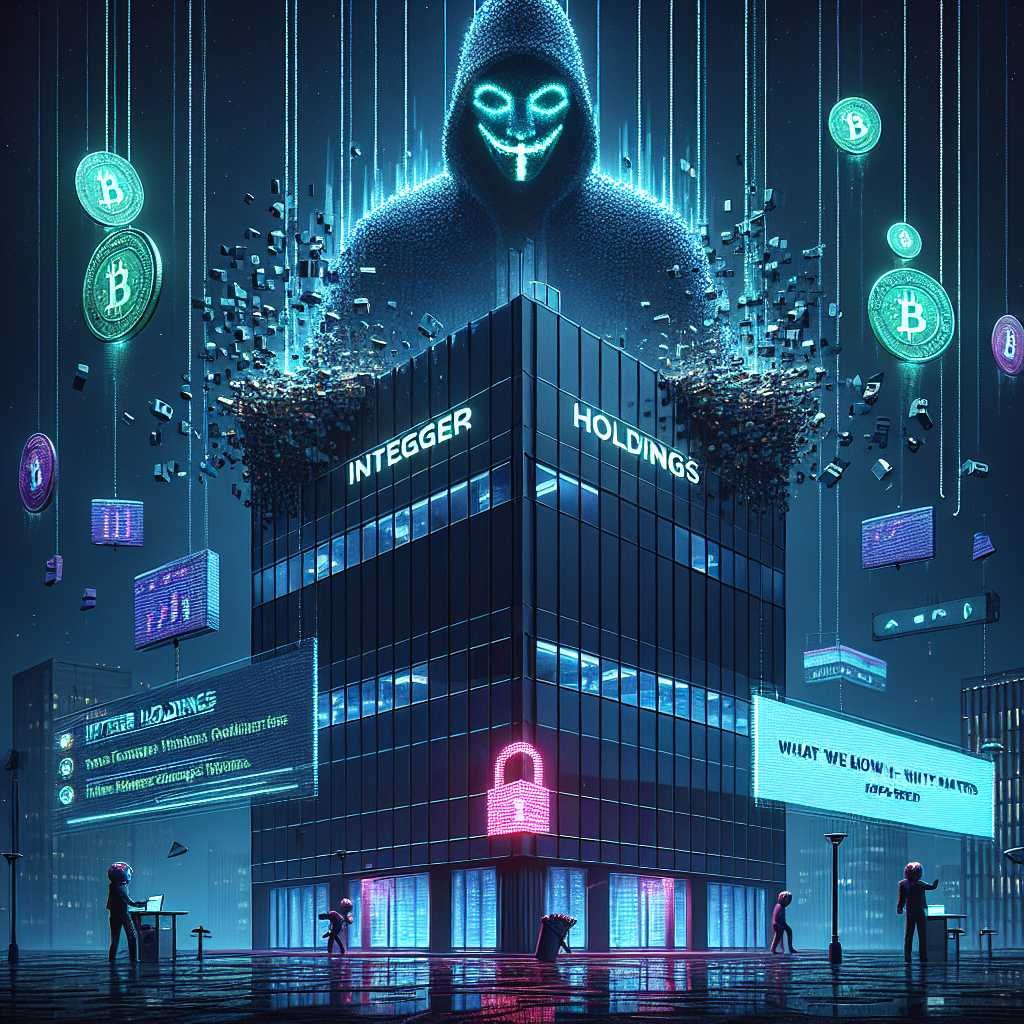
Ransomware Group “coinbasecartel” Reportedly Hits Integer Holdings: What We Know, Why It Matters, and How to Respond
If a breach is discovered six months after it happens, how much damage has already been done? That’s the uneasy question hanging over the reported ransomware incident involving Integer Holdings and the threat group known as coinbasecartel. According to a new report from HookPhish, coinbasecartel has claimed responsibility for a double‑extortion attack impacting Integer Holdings, a U.S.-based manufacturer operating at integer.net. The attack allegedly occurred on November 10, 2025, but wasn’t discovered until April 23, 2026—an all-too-familiar gap that gives attackers time to move quietly, steal data, and position for maximum leverage.
If you work in manufacturing, healthcare-adjacent supply chains, or any industrial sector where uptime is king, this one’s worth your full attention. Let’s unpack what’s known so far, why manufacturing continues to be a prime ransomware target in 2026, and what steps organizations can take—today—to harden defenses, speed detection, and limit fallout.
Source report: HookPhish coverage of the coinbasecartel/Integer Holdings incident
Quick facts at a glance
- Reported victim: Integer Holdings (domain: integer.net), a U.S.-based manufacturer with a significant medical device portfolio
- Alleged threat actor: coinbasecartel (self-attributed)
- Attack model: Double extortion (encrypt data + exfiltrate sensitive information)
- Incident date: November 10, 2025 (per reporting)
- Discovery date: April 23, 2026, 09:56:29 UTC (per HookPhish)
- Status: No formal public statement from Integer Holdings at the time of initial reporting
- Risk themes: Potential exposure of proprietary designs/IP, employee records, and/or customer data; operational disruptions; regulatory scrutiny
Note: Many details (including volume of data taken and ransom demand) remain unconfirmed publicly. As always, early breach reporting can evolve as investigations progress. The overview here is based on publicly available information and general ransomware tradecraft common across many incidents.
Who is “coinbasecartel,” and what is their playbook?
Per HookPhish’s reporting, coinbasecartel is a threat group known for aggressive data theft and extortion. The group’s name might suggest a cryptocurrency exchange connection, but there is no indication it is related to Coinbase; naming conventions in the cyber underground are often designed to confuse or to borrow brand recognition. The group’s reported modus operandi aligns with the now-standard “double extortion” approach:
- Initial compromise (often via phishing, weak remote access, or unpatched systems)
- Lateral movement, credential theft, and staging of exfiltration
- Bulk data exfiltration to external infrastructure (cloud drives, bulletproof hosts, or attacker-controlled storage)
- Ransom demands paired with threats to leak stolen data if payment is withheld
- Encryption of on-prem/endpoint data to disrupt operations and add leverage
If the leak-site “name-and-shame” page appears (as is common with double-extortion crews), attackers will typically publish samples before a full release, timing posts to intensify pressure as negotiations stall.
For background on how these operations typically unfold and what defenders can do, see CISA’s Stop Ransomware portal: https://www.cisa.gov/stopransomware.
Why manufacturing keeps topping ransomware hit lists
Manufacturing environments are ransomware magnets for three intertwined reasons:
1) Uptime equals revenue
– Downtime halts production lines, cascades into missed SLAs, and ripples across supply chains. That urgency increases the pressure to pay quickly.
2) Complex, hybrid IT/OT landscapes
– Plants blend legacy operational technology (OT), industrial control systems (ICS), and modern IT. Gaps between them (and flat network designs) can provide rich paths for lateral movement.
3) Valuable data and IP
– Proprietary designs, bills of materials, test results, and customer frameworks command a premium on underground markets—and offer leverage in extortion.
Even when core ICS assets aren’t directly encrypted, ransomware in the IT environment can force a cautious shutdown of production to ensure safety, integrity, and regulatory compliance. That’s why groups targeting manufacturers often prioritize speed to domain admin, stage exfiltration early, and choose encryption tooling that minimizes detection.
For general ICS defense guidance, see CISA/DOE ICS resources and advisories: https://www.cisa.gov/ics
The Integer Holdings timeline: dwell time matters
- Alleged intrusion date: November 10, 2025
- Discovery date: April 23, 2026 (roughly a six‑month gap)
That six-month window—commonly called “dwell time”—is where most damage is done. During dwell time, adversaries can:
- Harvest credentials and escalate privileges
- Map the environment, locate backups, and search for crown jewels (IP, HR data, customer files)
- Establish persistence (scheduled tasks, service installs, abused remote tools)
- Test exfil channels and quietly siphon data
Why does discovery lag? A few common contributors:
- Alert fatigue or incomplete logging (especially in hybrid IT/OT networks)
- Gaps in EDR coverage on servers, engineering workstations, or specialized OT endpoints
- Infrequent threat hunting and limited use of behavioral detections
- Remote access sprawl (VPNs, vendor portals, unmanaged remote tools) without MFA
- Patch backlogs—particularly for internet-exposed assets or legacy applications
For organizations reading this and wondering “Could this be us?”, now’s a good time to validate visibility across your environment, especially in less‑monitored segments.
What data could be at risk?
HookPhish notes possible exposure areas common to manufacturers like Integer Holdings:
- Proprietary designs and engineering documentation
- Supplier contracts, pricing, and logistics data
- Employee records (PII; potentially payroll or benefits info)
- Customer-related data (purchase orders, forecasts, or—depending on business model—limited regulated data)
The severity depends on what was actually accessed and exfiltrated. Sensitive IP could accelerate competitive risk. HR data theft can drive regulatory notifications and identity protection obligations. Customer information could harm trust and contract standing. Without an official statement detailing the scope, all of this remains potential impact—not confirmed outcome.
Regulatory and legal exposure: what might apply?
Applicability depends on the data involved, jurisdictions, and corporate structure. Typical obligations could include:
- U.S. state breach notification laws if residents’ personal information was involved
- Sectoral rules depending on data types (for instance, limited HIPAA exposure only if protected health information was stored or processed; many device manufacturers are not HIPAA-covered entities but may hold PHI in certain contexts)
- International obligations if EU/UK residents’ data is implicated (GDPR/UK GDPR)
- Contractual notification duties to customers, suppliers, and partners
- Public-company disclosure considerations, where applicable, following SEC guidance for material cyber incidents
Organizations should work closely with counsel and incident response partners to map legal obligations and notification timelines based on confirmed facts. The U.S. government also encourages reporting to the FBI’s Internet Crime Complaint Center: https://www.ic3.gov
If you’re a manufacturer, here’s what to do now (regardless of whether you’ve been hit)
Even if your organization is not directly affected by this incident, use it as a catalyst to tighten defenses. The following steps align with guidance from CISA, FBI, and NIST.
1) Enforce strong MFA everywhere
– Prioritize VPNs, cloud apps, remote desktop gateways, and privileged access paths. Phishable MFA? Move to phishing‑resistant methods (FIDO2/WebAuthn or platform authenticators).
2) Patch exposed services fast
– Inventory and remediate internet-facing vulnerabilities and high-severity issues on identity systems (AD FS, Entra Connect), hypervisors, file transfer tools, and remote access software. Maintain a formal exception process with compensating controls.
3) Lock down remote access
– Remove legacy RDP exposures or put them behind modern gateways with MFA. Audit third-party vendor access. Ban ad hoc remote tools (e.g., arbitrary ScreenConnect/AnyDesk installs).
4) Deploy and tune EDR/XDR broadly
– Ensure coverage for servers, engineering workstations, and key OT interface points. Baseline normal behavior and turn on behavioral detections for exfiltration, remote admin tooling, and credential dumping.
5) Segment ruthlessly
– Separate IT from OT; establish DMZs and brokered data flows. Use strict ACLs, jump hosts, and just‑in‑time access. Flat networks make ransomware crises bigger.
6) Get backups right
– Maintain immutable, offline backups. Test restoration of critical ERP/MES/PLM systems and PLC/RTU configurations. Document RTO/RPO and run realistic tabletop exercises.
7) Harden identity
– Implement tiered admin, privileged access workstations (PAWs), and conditional access policies. Rotate credentials regularly and monitor for stale or over‑privileged accounts.
8) Monitor for exfiltration and living‑off‑the‑land activity
– Watch for unusual use of archiving tools (7zip, WinRAR), data staging in uncommon shares, Rclone/MEGAcmd traffic, and large outbound transfers.
9) Prepare an IR playbook for OT
– Coordinate with plant operations: predefined shutdown criteria, safety protocols, and recovery practices. Practice cross‑functional drills with IT, OT, legal, comms, and executive teams.
10) Train people continuously
– Phishing simulations, secure engineering practices, and clear escalation guidance for “something looks off” moments.
Helpful frameworks and resources:
– CISA Cross-Sector Cybersecurity Performance Goals: https://www.cisa.gov/cpgs
– NIST Cybersecurity Framework: https://www.nist.gov/cyberframework
– MITRE ATT&CK (Enterprise and ICS): https://attack.mitre.org
Threat-hunting ideas you can run this week
Because specific coinbasecartel TTPs are not widely documented in open sources, focus on behaviors common across double‑extortion intrusions:
Look for signs of initial access and persistence
– Recently created local admins or new scheduled tasks/services on critical servers
– Successful logins from unusual geos or at odd hours on VPN/SSO
– Sudden installation of remote tools (ScreenConnect, AnyDesk, Atera, Radmin, TeamViewer) where not approved
Hunt for staging and exfil
– Spikes in use of compression utilities (7z.exe, rar.exe, tar) on file servers or engineering shares
– Unexpected outbound connections to cloud storage (MEGA, Dropbox, Google Drive) or to uncommon VPS providers
– Rclone processes with config files in user profiles or temp directories
Watch credential theft and lateral movement
– LSASS access events, registry hive dumps, or suspicious use of comsvcs.dll with rundll32
– Remote execution via PsExec, WMI, or SMB from non-admin or newly created admin accounts
– SMB mapping to many hosts in a short interval; abnormal Kerberos ticket activity
Check backup tampering
– Unexpected backup job deletions, policy changes, or repository mount/unmount events
– Disabled or uninstalled security agents, EDR services, or logging pipelines
If you detect likely compromise, follow no‑touch principles on suspected C2 hosts to avoid tipping attackers. Move quickly to contain, isolate, and engage incident response.
For additional ransomware-specific detection guidance, review CISA’s advisories and joint alerts: https://www.cisa.gov/stopransomware
Securing OT and medical device manufacturing environments
Manufacturers with medical device lines face a unique blend of IT and regulated engineering operations. Consider:
- Asset inventory and visibility
- Maintain a current inventory of IT assets, OT controllers (PLC/RTU), HMIs, engineering workstations, test equipment, and vendor-maintained systems.
- Network segmentation and remote engineering access
- Place OT behind firewall tiers and data diodes where feasible. Use jump servers with strong MFA and session recording for vendor access.
- Change control for controllers
- Version-control control‑logic, maintain offline golden images, and restrict who can push changes to PLCs/firmware.
- Secure build and design pipelines
- Protect PLM, CAD/CAM, and test data repositories. Mandate code signing for firmware and establish SBOM processes with tamper checks.
- Safety-first incident response
- OT playbooks must prioritize safety and product integrity. If IT compromise is suspected, pre-agree triggers for controlled line shutdowns.
ICS-specific guidance: https://www.cisa.gov/ics
Communications, negotiation, and the sanctions question
When extortion is in play, communications decisions are as impactful as technical ones.
- Law enforcement
- Engage early. The FBI and relevant sector agencies can advise and may already track the threat actor. Report at https://www.ic3.gov.
- Legal and regulators
- Coordinate with counsel on breach determination, notification triggers, and disclosure timing. Maintain an evidence‑first posture.
- Stakeholders and customers
- Be transparent about what’s known, what’s not, and what you’re doing next. Provide clear guidance for customers or employees who may be affected.
- Ransom payments
- U.S. policy discourages paying. Payments do not guarantee deletion of data or full operational recovery and may pose legal risks. Review OFAC’s ransomware advisory on sanctions exposure before any payment discussions: https://home.treasury.gov/policy-issues/financial-sanctions/recent-actions/2020-10-01
- Evidence preservation
- Maintain forensic integrity: preserve logs, memory images, and key artifacts. Avoid actions that destroy volatile evidence.
What to watch next in the Integer Holdings case
Because the publicly available details remain limited, keep an eye on:
- A formal statement from Integer Holdings clarifying scope and mitigation steps
- Any listing by coinbasecartel on leak sites, including data samples or proof-of-claims
- Indicators of service disruptions, delayed shipments, or plant impacts
- Notifications to customers, employees, and regulators (where required)
- Third‑party advisories with IOCs and TTPs tied to this campaign
We’ll update our analysis as verified details emerge from primary sources.
Credible resources for teams responding to ransomware
- HookPhish report on the Integer Holdings incident:
https://www.hookphish.com/blog/ransomware-group-coinbasecartel-hits-integer-holdings/ - CISA Stop Ransomware:
https://www.cisa.gov/stopransomware - FBI Internet Crime Complaint Center (IC3):
https://www.ic3.gov - NIST Cybersecurity Framework:
https://www.nist.gov/cyberframework - MITRE ATT&CK (Enterprise + ICS):
https://attack.mitre.org - CISA Cross-Sector Cybersecurity Performance Goals:
https://www.cisa.gov/cpgs - OFAC Advisory on Ransomware and Sanctions:
https://home.treasury.gov/policy-issues/financial-sanctions/recent-actions/2020-10-01
Frequently asked questions
Q: Is coinbasecartel affiliated with the Coinbase exchange?
A: No. Despite the name, there’s no indication of an affiliation with Coinbase. Threat groups often choose names for notoriety or misdirection.
Q: Did Integer Holdings confirm the breach?
A: As of the initial HookPhish report, Integer Holdings had not issued a public statement confirming scope or details. Treat early reports as provisional until the company and investigators share verified findings.
Q: What is double extortion?
A: Attackers both encrypt systems to disrupt operations and steal sensitive data. They then pressure victims to pay by threatening to leak or sell the stolen data if payment is refused.
Q: How can an attack go undetected for months?
A: Dwell time increases when monitoring is inconsistent, logs are incomplete, EDR coverage is spotty, or attackers use “living off the land” tools that blend in with normal admin activity.
Q: Should companies ever pay the ransom?
A: Law enforcement discourages payment. It doesn’t guarantee data deletion or safe recovery and may carry sanctions risks. Work with legal counsel, insurers, and law enforcement to evaluate options.
Q: If I’m a customer or supplier of Integer Holdings, what should I do?
A: Await official guidance from Integer Holdings. In the meantime, monitor accounts for unusual activity, change passwords on shared portals, and validate the authenticity of any “breach notification” emails to avoid follow‑on phishing.
Q: What are the first three controls I should prioritize as a manufacturer?
A: MFA everywhere (especially remote access and admin paths), rigorous segmentation (IT/OT separation), and tested, immutable offline backups. Pair these with EDR coverage and rapid patching of internet‑facing systems.
Q: Where can I learn how attackers typically move inside a network?
A: Review MITRE ATT&CK for common techniques and defender mitigations: https://attack.mitre.org
Bottom line
The reported coinbasecartel hit on Integer Holdings is another wake‑up call for manufacturing: today’s ransomware crews don’t just lock files; they quietly take what matters most, then turn the screws. Six months of dwell time—if confirmed—underscores why prevention and rapid detection must move in lockstep.
Focus on what you can control right now:
– Close the front doors (MFA, patching, remote access hygiene)
– Contain the blast radius (segmentation, least privilege)
– Make recovery boring (immutable backups you’ve actually tested)
– See the adversary early (EDR/XDR, logging, and regular threat hunting)
– Practice together (cross‑functional tabletop exercises that include OT)
Incidents like this don’t just test technology—they test preparation. The organizations that fare best are the ones that assume breach, practice response, and design their networks so that a single foothold doesn’t become a business‑stopping crisis.
Discover more at InnoVirtuoso.com
I would love some feedback on my writing so if you have any, please don’t hesitate to leave a comment around here or in any platforms that is convenient for you.
For more on tech and other topics, explore InnoVirtuoso.com anytime. Subscribe to my newsletter and join our growing community—we’ll create something magical together. I promise, it’ll never be boring!
Stay updated with the latest news—subscribe to our newsletter today!
Thank you all—wishing you an amazing day ahead!
Read more related Articles at InnoVirtuoso
- How to Completely Turn Off Google AI on Your Android Phone
- The Best AI Jokes of the Month: February Edition
- Introducing SpoofDPI: Bypassing Deep Packet Inspection
- Getting Started with shadps4: Your Guide to the PlayStation 4 Emulator
- Sophos Pricing in 2025: A Guide to Intercept X Endpoint Protection
- The Essential Requirements for Augmented Reality: A Comprehensive Guide
- Harvard: A Legacy of Achievements and a Path Towards the Future
- Unlocking the Secrets of Prompt Engineering: 5 Must-Read Books That Will Revolutionize You